February 11, 2026
Nobody wants to have to deal with their car breaking down on the side of the road, but sometimes accidents happen. Many insurance companies offer some form of assistance in the event of an accident, or you can reach out to local services. In some cases you may need towing, but sometimes you may just need some roadside assistance. If you're wondering about the unique differences between these two types of automotive help, we aim to explain it.
Looking at Towing Services
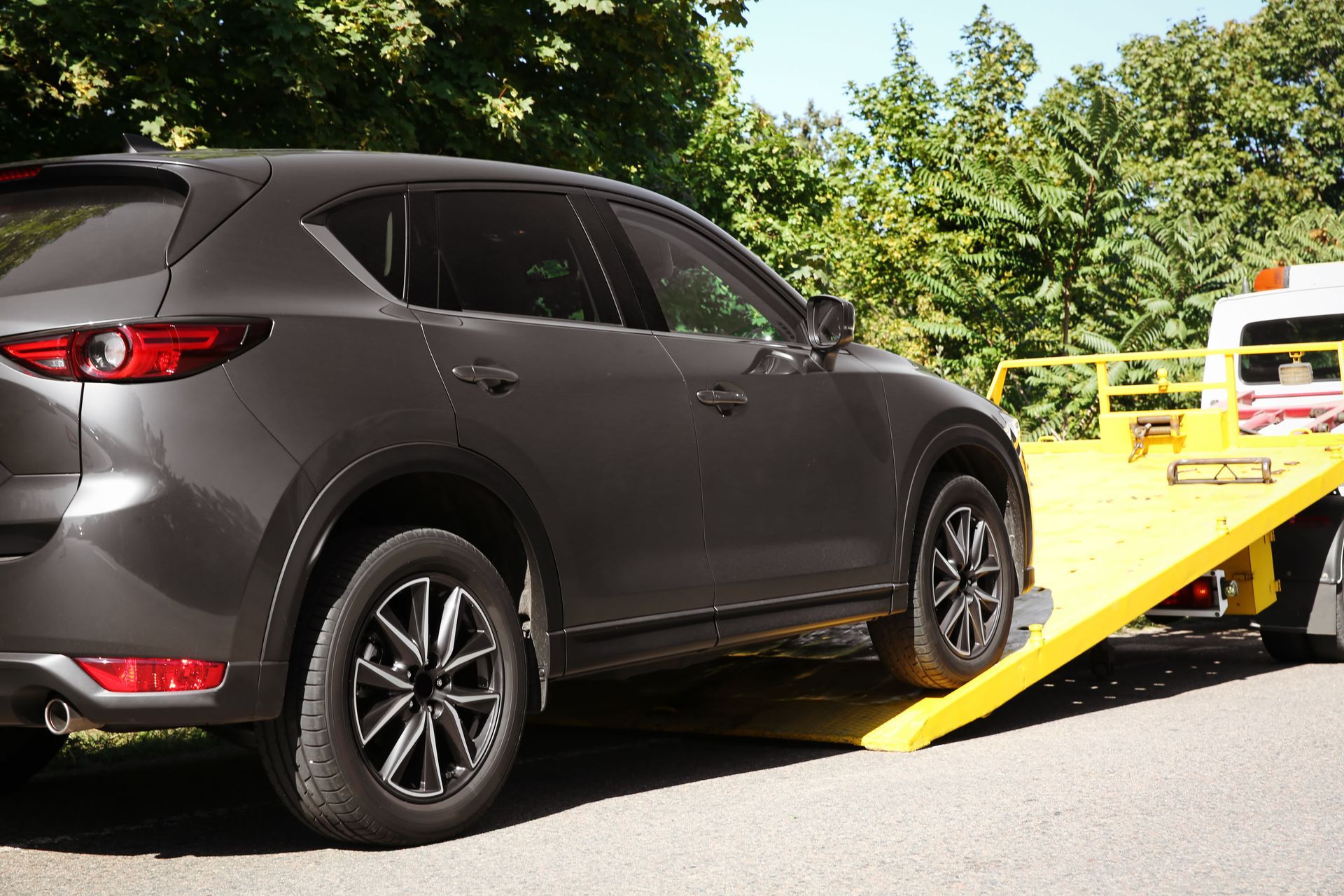
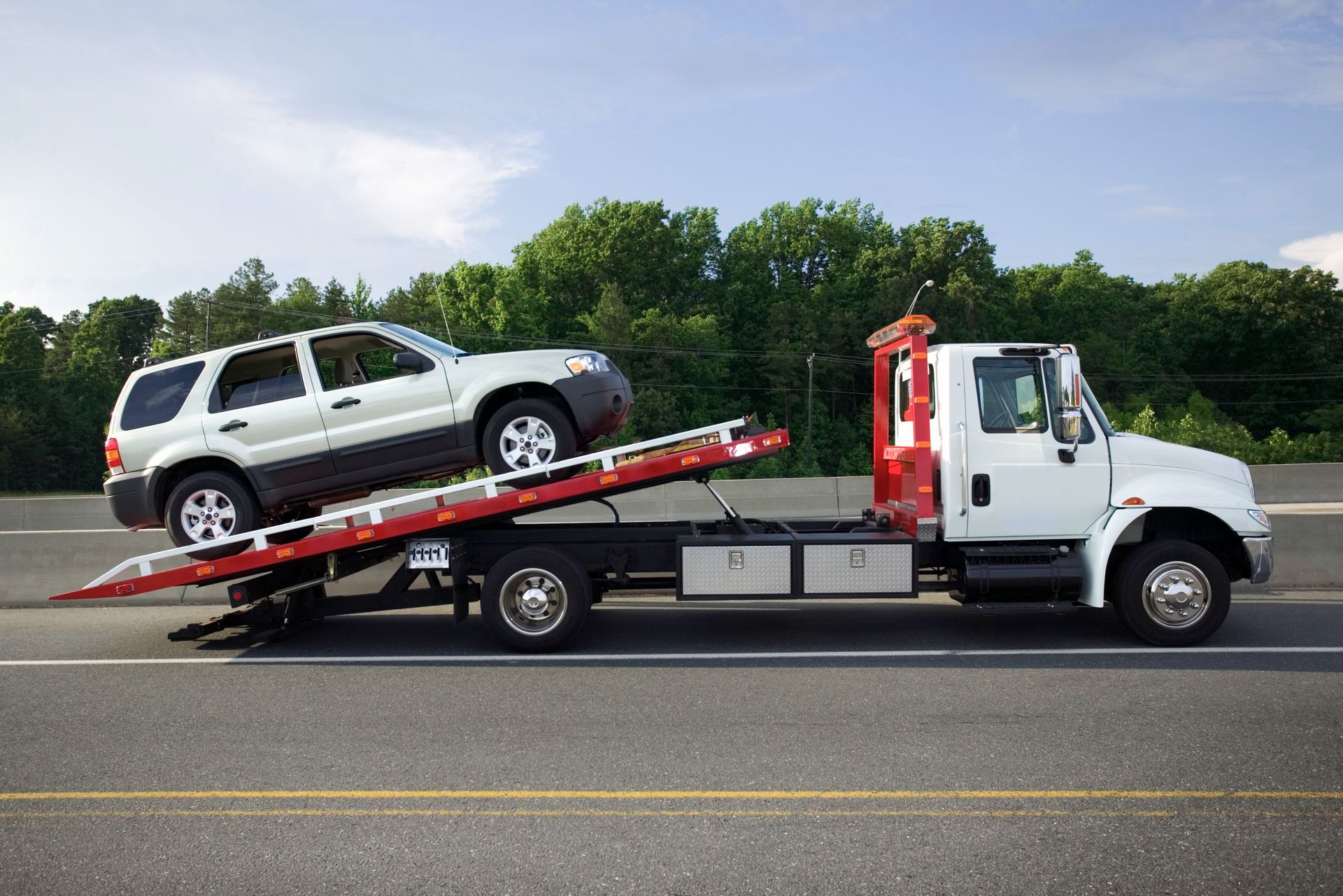
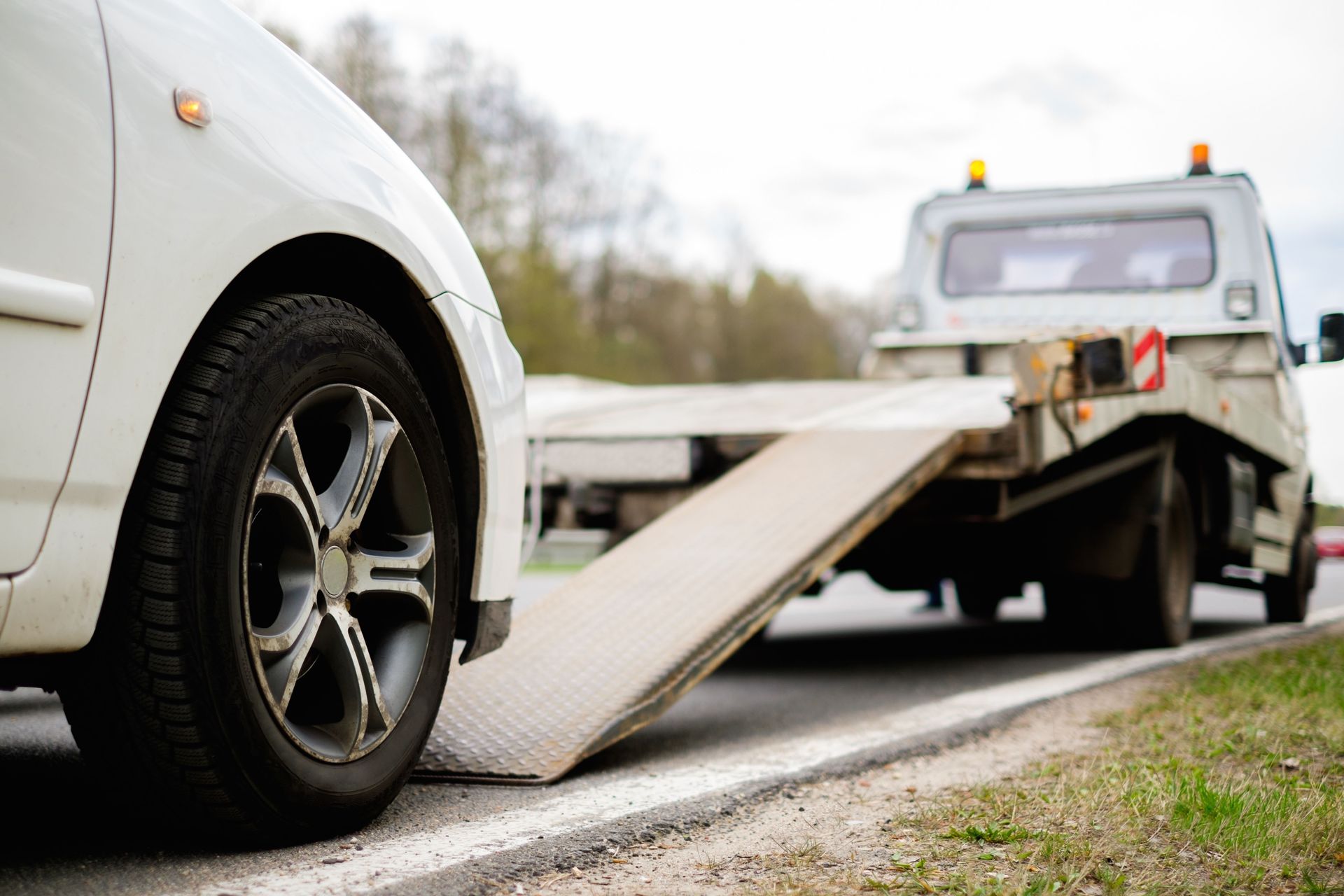
Towing services are designed to transport vehicles from one location to another, typically when a car has broken down or been involved in an accident. These services are essential in ensuring that a damaged or non-operational vehicle does not remain a hazard on the road. Towing can involve different types of vehicles such as flatbeds or tow trucks, depending on the vehicle's size and condition. The main purpose is to provide safe and efficient transportation for vehicles that can't be driven.
The importance of towing services is significant given that vehicles are prone to unexpected breakdowns and accidents. With the rise in the number of vehicles on the road, the demand for towing services has also increased, making it a critical component of modern vehicle management. According to the Specialty Equipment Market Association, the towing industry is valued at $337 billion, highlighting its impact and necessity in facilitating transportation and logistics. Towing services also provide peace of mind for drivers who know that help is available in emergencies.
Towing services have evolved over the years to accommodate various vehicle types and situations. This evolution includes technological advancements in towing equipment, making the process safer and more efficient. Companies specializing in towing are equipped with trained professionals who understand the intricacies involved in different towing scenarios.
Towing services can be broadly categorized into several types, each designed to meet specific needs. Flatbed towing, for instance, is commonly used for transporting cars that cannot be driven, as the entire vehicle is lifted onto the truck. Hook and chain towing involves securing the car through a hook, though it's rarely used for regular vehicles due to potential damage.
Understanding the differences between these towing methods is crucial for car owners. Flatbed towing is often considered the safest, as it minimizes damage during transport. However, it's important to note that wheel-lift towing remains a practical and economical option for shorter distances or lighter vehicles. Heavy-duty towing services cater to larger vehicles like buses, trucks, or heavy machinery, requiring specific equipment and expertise.
The choice of towing service depends on various factors, including vehicle size, weight, and the situation's severity. Tow truck operators often assess the situation before deciding which method is most suitable, prioritizing safety, and cost-effectiveness. With the ever-increasing number of vehicles and diverse sizes, towing services continue to evolve and diversify.
Looking at Roadside Assistance Services
Roadside assistance services are designed to provide immediate support and essential intervention when a driver experiences a minor breakdown or issue while on the road. This intervention includes services like jumpstarting a dead battery, changing a flat tire, or unlocking a vehicle with misplaced keys. The primary purpose of roadside assistance is to alleviate the stress and inconvenience associated with unexpected vehicle issues without necessitating further movement of the vehicle. It serves to address common and manageable problems that don't require towing, offering a rapid solution right on site.
One of the key aspects of roadside assistance is its emphasis on immediate, efficient, and practical solutions provided directly at the scene. This service is vital in maintaining the flow of traffic by resolving manageable issues and allowing the affected vehicle to continue its journey. These features are typically offered through membership organizations or insurance packages and allows roadside assistance to offer a suite of standard services designed to handle prevalent vehicle issues. Car owners can access versatile help through professional service providers, ensuring that challenges are swiftly addressed.
With the rising complexity of vehicles, roadside assistance has adapted, equipping teams with tools and expertise necessary for a wide range of potential scenarios. The goal is to provide comprehensive support that minimizes disruption and enhances safety, ultimately supporting an efficient driving ecosystem. By anticipating standard challenges and providing immediate solutions, roadside assistance empowers drivers with the peace of mind that comes from knowing help is ready and reliable. Additionally, roadside service providers foster a sense of security within communities, promoting safety and trust among drivers.
Roadside assistance services encompass a variety of targeted interventions designed to address common vehicle challenges effectively. Battery jumpstarting services are widely utilized, helping restart vehicles that are not operating due to a dead or discharged battery. Tire change assistance, another fundamental service, provides immediate solutions for drivers encountering flat tires without necessary equipment or expertise to resolve the problem themselves. Additionally, fuel delivery services help drivers who have run out of gas, offering enough fuel to reach the nearest station. Winching services assist vehicles stuck in challenging terrains or off-road situations, ensuring safe extraction under adverse conditions.
Recognizing the range of roadside assistance available underscores the need for preparedness and planning when dealing with inevitable vehicle challenges. Locksmith services are particularly vital, providing access solutions for drivers who lock themselves out of their vehicles. Tow trucks are typically avoided unless necessary, with roadside assistance providing a first line of immediate, efficient intervention for variety of common roadside issues. The broad spectrum of available services offers car owners comprehensive help, ensuring they are equipped to handle a diverse range of challenges seamlessly and conveniently.
Efficiency and accessibility are hallmarks of effective roadside assistance services, ensuring they can mitigate everyday vehicular inconveniences expediently. Consumers seeking roadside assistance often benefit from examining the breadth and variety of services offered by potential providers. This consideration ensures that the most common and applicable services are readily available in times of necessity. Understanding service types empowers drivers to anticipate potential challenges, encouraging proactive exploration of appropriate support options.
Looking at the Key Differences Between Them
The primary function of towing services lies in transporting vehicles from one location to another when they are incapacitated or involved in accidents. Towing focuses on mobility and safe relocation, often requiring specialized equipment like flatbeds or wheel-lift trucks. It is necessary when the vehicle cannot remain where it is due to legal, safety, or operational issues. Conversely, roadside assistance aims to resolve issues without moving the vehicle, typically addressing minor breakdowns like battery problems or flat tires. Its core function is to ensure the vehicle can continue its journey without further intervention.
Towing transports vehicles that cannot operate independently, whether needing relocation due to breakdowns, accidents, or regulatory reasons. It's essential for ensuring road safety and compliance with regulations, offering methods like flatbed towing for secure transport. Meanwhile, roadside assistance maximizes on-site solutions, minimizing the need for further logistical involvement. By resolving common operational issues directly, it provides a convenient and efficient method for addressing manageable problems.
While both services play critical roles in vehicle management, their applications vary significantly based on the nature and severity of the issue. Towing becomes indispensable when damage or functional failure inhibits vehicle movement entirely. Roadside assistance, however, caters to resolving minor challenges, thereby extending its application to a broader scope of everyday scenarios. Through complementary roles, both services collectively form integral components of comprehensive vehicular support strategies.
While both towing and roadside assistance have distinct purposes, both are essential to help keep our roads safe, secure, and free of accidents and other issues. To learn more about our professional
towing services, reach out to Moore's Towing, and let's see if we can help you get where you need to go.